
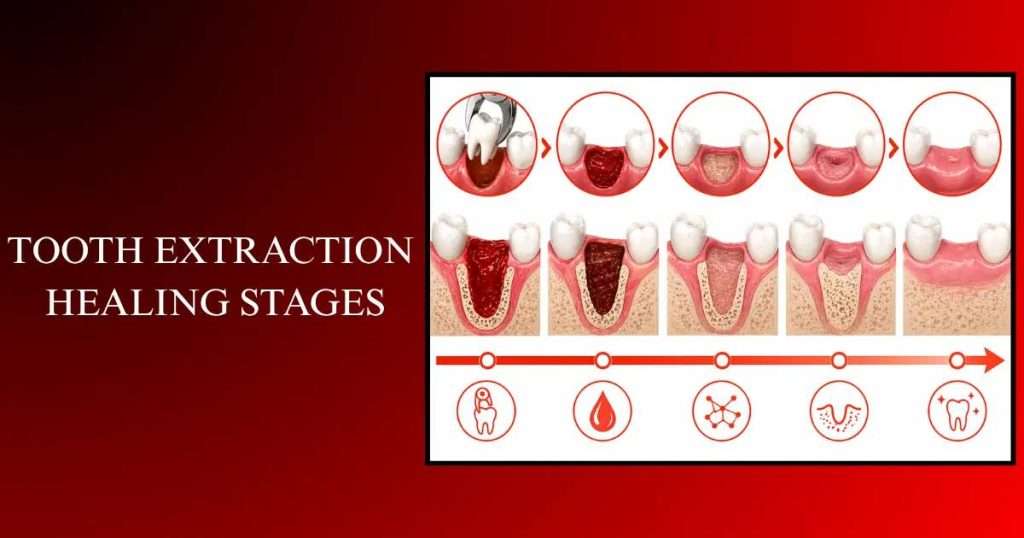

Having a tooth removed can feel overwhelming, especially if you’re unsure what recovery will be like. One of the most common questions we hear at Vancouver Main Dentist is how to heal comfortably while reducing the risk of complications such as dry socket. The good news is that most extractions heal without problems when patients follow the right tooth extraction aftercare instructions.
Our team performs routine and surgical tooth extractions, including wisdom tooth removal, and provides detailed postoperative guidance for every patient. In this article, we explain what to expect during recovery, how to protect the extraction site, and practical steps to support healing and reduce the risk of complications.
What to Expect After a Tooth Extraction
Good tooth extraction aftercare begins immediately after your procedure. As soon as the tooth is removed, a blood clot forms inside the tooth socket. This clot is an essential part of the healing process because it protects the underlying jawbone and nerve endings while new tissue develops. Some bleeding, swelling, and discomfort are normal during the first few days. These symptoms should gradually improve rather than become worse.
The First 24 Hours
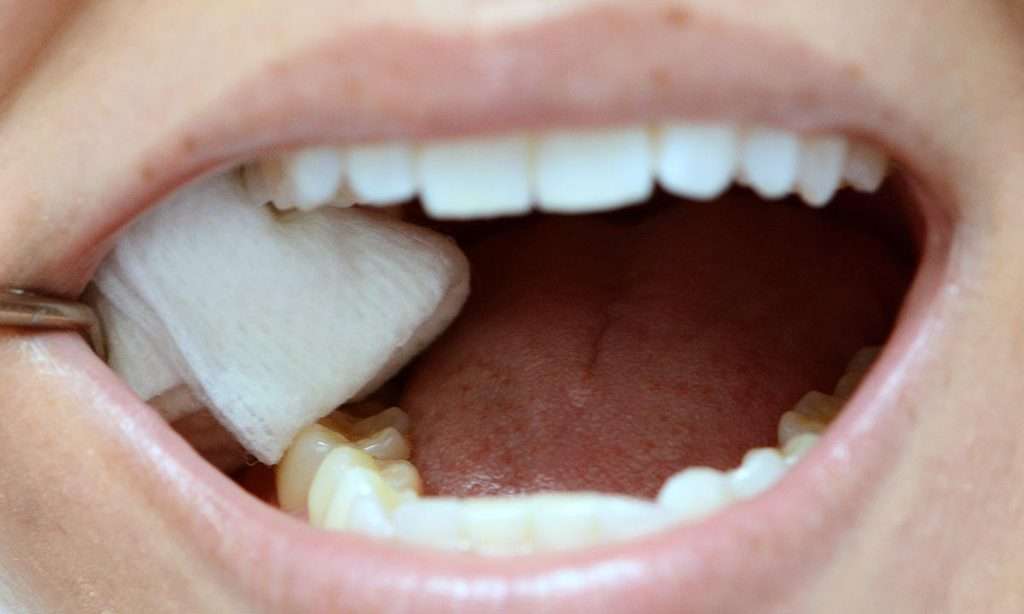
The first day is the most important period for protecting the blood clot. Your dentist will place gauze over the extraction site and ask you to bite down with steady pressure for about 30 to 60 minutes. If bleeding continues, replacing the gauze as instructed usually helps.
During this time:
- Rest and avoid strenuous physical activity.
- Apply an ice pack to the outside of your face for 15–20 minutes at a time to reduce swelling.
- Drink plenty of water but avoid using a straw.
- Eat soft foods once the numbness has worn off.
- Take pain medication exactly as prescribed.
Avoid smoking, alcohol, vigorous rinsing, or spitting during the first 24 hours because these activities can dislodge the blood clot.
Healing During the First Week
Swelling usually peaks within 48 hours and then gradually improves. Mild bruising may also appear around the cheek or jaw, especially after wisdom tooth extraction.
Around the second day, you can usually begin rinsing your mouth with warm salt water several times a day, particularly after meals. This helps keep the area clean without disturbing the healing tissue.
Continue brushing and flossing your other teeth as part of your regular dental hygiene routine, but avoid direct contact with the extraction site until your dentist advises it is safe to do so.
Recovery Timeline
Although every patient heals differently, a typical recovery looks like this:
- First 24 hours: Blood clot forms and bleeding slows.
- Days 2–3: Swelling is usually at its highest before beginning to improve.
- Days 4–7: Gum tissue begins to close over the extraction site, and discomfort decreases.
- Weeks 2–4: Most soft tissue has healed, although bone healing continues beneath the surface for several months.
If you received stitches, your dentist will let you know whether they dissolve naturally or need to be removed at a follow-up appointment.
Read more: “Best Tips on How to Avoid Tooth Decay Every Day”
What Is Dry Socket and Why Does It Happen?
One of the most common complications after a dental extraction is dry socket, also called alveolar osteitis. It develops when the protective blood clot is lost too early or fails to form properly, leaving the underlying bone and nerves exposed. According to the Cleveland Clinic, dry socket typically develops two to five days after a tooth extraction and can cause severe pain that may radiate to the ear, jaw, or temple. The condition does not usually heal on its own and often requires professional treatment to relieve pain, protect the extraction site, and support normal healing.
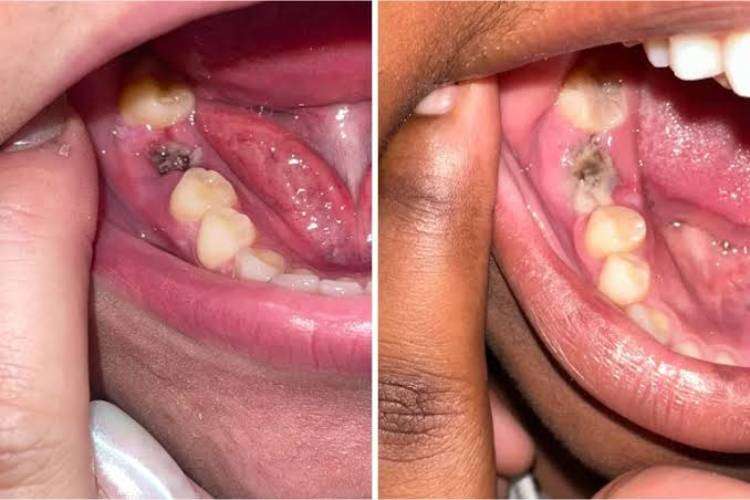
What Causes Dry Socket?
Several factors can increase the likelihood of developing dry socket, including:
- Smoking or vaping
- Drinking through a straw
- Forceful rinsing or spitting
- Poor oral hygiene
- Previous history of dry socket
- Difficult wisdom tooth extraction
- Hormonal factors, including some oral contraceptives
These activities may interfere with the blood clot before the extraction site has had enough time to heal.
Common Symptoms
It is normal to experience mild soreness after oral surgery, but dry socket produces symptoms that are noticeably different.
You should contact your dentist if you experience:
- Severe pain beginning several days after the extraction
- Pain that spreads into the ear or side of the face
- A visible empty socket where the blood clot is missing
- Bad breath or an unpleasant taste in your mouth
- Pain that is not relieved by prescribed medication
These symptoms should be assessed promptly by your dentist or an emergency dentist to reduce discomfort and prevent further complications.
Who Is at Higher Risk?
Although dry socket can occur after any extraction, it is more common following wisdom tooth removal, particularly lower wisdom teeth. Patients who smoke, have poor oral hygiene, or do not follow post-operative instructions generally have a higher risk. Certain medical conditions and medications may also affect healing, which is why we review your medical history before treatment.
At Vancouver Main Dentist, we provide detailed recovery instructions before you leave our clinic. Whether your treatment is part of our general dentistry services or follows a dental emergency, careful aftercare plays an important role in helping the extraction site heal properly.
Aftercare Tips to Heal Faster
The days following a dental extraction are just as important as the procedure itself. Most patients recover without complications by protecting the blood clot, keeping the area clean, and avoiding activities that may interrupt healing. These practical tooth extraction aftercare tips can help reduce discomfort and support a smoother recovery.
Bite on Gauze as Directed
Keep steady pressure on the gauze for the amount of time recommended by your dentist. If light bleeding continues, replace it with fresh gauze and bite down firmly. Small traces of blood mixed with saliva are common during the first day, but persistent or heavy bleeding should be reported to your dentist.
Use Ice Packs During the First 48 Hours
Applying an ice pack to the outside of your cheek for 15–20 minutes at a time during the first two days can help reduce swelling and inflammation. After 48 hours, some patients find that a warm compress provides more comfort if jaw stiffness develops.

Rest and Stay Hydrated
Avoid strenuous exercise, heavy lifting, or sports for at least 24 to 48 hours. Physical activity can increase blood pressure and trigger renewed bleeding at the extraction site. Drink plenty of water throughout the day, but avoid using a straw, as the suction can dislodge the blood clot.
Take Medications as Prescribed
If your dentist recommends pain medication or antibiotics, follow the instructions carefully and complete the full course of antibiotics if prescribed. Do not place aspirin directly on the gums, as this can irritate the surrounding tissue.
Sleep with Your Head Elevated
Keeping your head slightly raised with an extra pillow during the first night may help reduce swelling and improve comfort. Many patients also find it easier to rest on the side opposite the extraction site.

Read more: “How to Relieve Tooth Pain Before Seeing a Dentist; Quick & Useful Tips”
How to Avoid Dry Socket After a Tooth Extraction
Protecting the blood clot is the most effective way to reduce the risk of dry socket. According to guidance from the Cleveland Clinic and Colgate, most cases can be prevented by avoiding activities that disturb the healing socket during the first several days after extraction.
Don’t Smoke or Vape
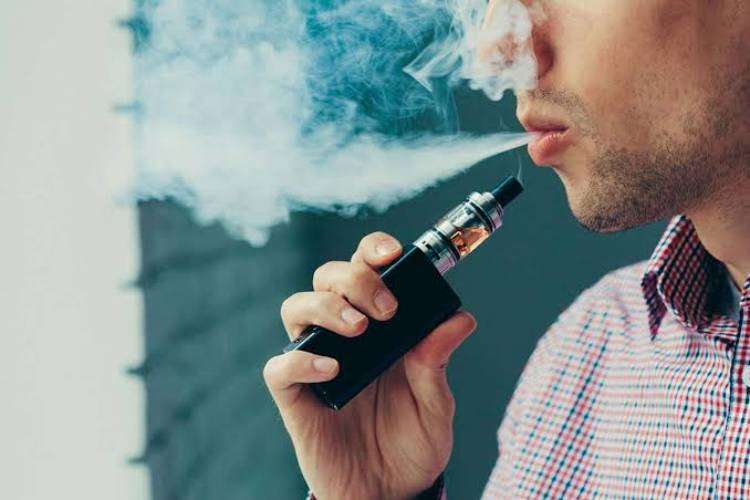
Smoking is one of the strongest risk factors for dry socket. The chemicals in tobacco can slow healing, while the suction created during inhalation may loosen the blood clot. If possible, avoid smoking for at least 72 hours after your extraction, and longer if your dentist recommends it.
Avoid Straws and Forceful Rinsing
For the first few days, drink directly from a cup rather than using a straw. You should also avoid forcefully rinsing your mouth or spitting, as these actions may interfere with the healing process.
Keep Your Mouth Clean
Good oral hygiene remains important after a dental extraction. Brush and floss your other teeth as usual, taking care to avoid the extraction site. After the first 24 hours, rinse with warm salt water several times a day, especially after meals, to help remove food particles and bacteria.
Avoid Intense Physical Activity
Heavy exercise during the first two days can increase bleeding and delay healing. Walking is generally acceptable, but postpone vigorous workouts until your dentist says it is safe to resume normal activities.
Need Help After a Tooth Extraction? We’re Here When You Need Us
If you’re experiencing severe pain, prolonged bleeding, swelling, or think you may have a dry socket, don’t wait to seek care. At Vancouver Main Dentist, we provide same-day emergency dental appointments whenever possible, along with personalized consultations to assess your condition and recommend the most appropriate treatment based on your needs.
Whether you need urgent care after a tooth extraction or have questions about your recovery, our experienced team is here to help you heal safely and comfortably. Contact us today to book your consultation or request an emergency appointment.
What Can You Eat After a Tooth Extraction?
Choosing the right foods can make recovery more comfortable while protecting the healing socket.
Foods to Eat
During the first few days, choose foods that require little chewing, such as:
- Yogurt
- Applesauce
- Mashed potatoes
- Scrambled eggs
- Smooth soups (not extremely hot)
- Oatmeal after the first day
- Cottage cheese
- Smoothies eaten with a spoon instead of a straw
As discomfort improves, you can gradually return to firmer foods as your comfort level allows.
Foods to Avoid
Until the extraction site has healed, avoid:
- Hard or crunchy foods
- Nuts and seeds
- Popcorn
- Sticky candy
- Spicy foods if they cause irritation
- Very hot drinks during the first day
- Alcohol while healing or while taking prescribed medications
Food particles trapped inside the socket can delay healing and increase irritation, so maintaining good oral hygiene remains essential throughout recovery.
Read more: “The effect of smoking on oral health”
Conclusion
Recovering after a dental extraction is usually straightforward when you follow your dentist’s instructions. Protecting the blood clot, eating soft foods, maintaining good oral hygiene, and avoiding smoking or drinking through a straw can significantly reduce the risk of dry socket and other complications.
If you have questions about your recovery or experience symptoms that don’t seem normal, don’t wait for them to worsen. Early assessment can often prevent more serious problems and help your mouth heal as expected.
FAQ
1. How long does it take to recover from a tooth extraction?
Most patients recover within 7 to 10 days after a simple tooth extraction. Surgical extractions, including wisdom tooth removal, may take up to two weeks for the gums to heal. The jawbone continues to heal over the following months.
2. What is dry socket?
Dry socket, also called alveolar osteitis, occurs when the protective blood clot at the extraction site is lost or does not form properly. This exposes the underlying bone and nerves, causing severe pain that usually develops 2 to 5 days after the extraction.
3. How can I prevent dry socket?
You can lower your risk by following your dentist’s aftercare instructions, avoiding smoking and vaping, not drinking through a straw, avoiding forceful rinsing or spitting, eating soft foods, and keeping your mouth clean without disturbing the blood clot.
4. Is swelling normal after a tooth extraction?
Yes. Mild to moderate swelling is a normal part of the healing process and usually peaks within 48 hours, then gradually improves over the next few days.
Have you recently had a tooth extraction or are you preparing for one? Share your experience or ask your questions in the comments below. Your insights may help others recover more comfortably and feel more prepared for their treatment.


