
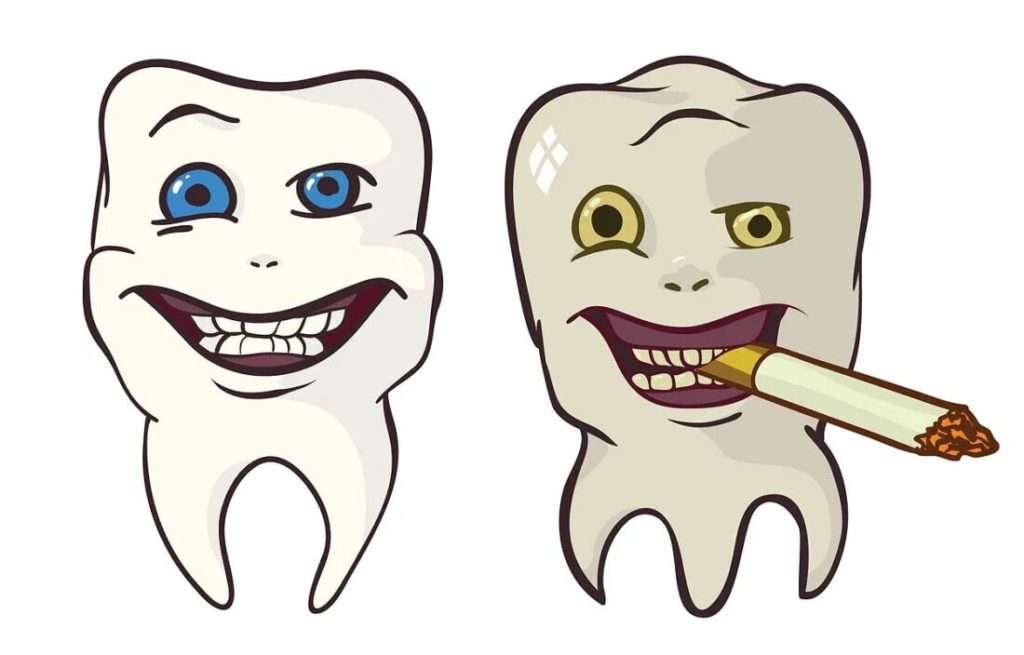

For decades, doctors have warned individuals about the many negative effects of smoking on their health. Most people associate smoking with lung-cardiac insufficiency and diseases, followed by various forms of lung cancer. They also believe that smoking is the major cause of chronic heart and lung disease. Furthermore, it is widely recognized that nicotine in cigarettes is an extremely harmful and addictive molecule. Because nicotine is addictive, many smokers are aware of its harmful consequences, particularly those connected to smoking and dental health, yet find it hard to quit due to their need on it.
But while most individuals are aware of how smoking affects the lungs and other organs, the consequences on teeth are occasionally disregarded. The mouth is actually where cigarette smoke and other tobacco products enter the body, and the teeth, gums, and oral tissue are the first to suffer damage and are most severely affected. Apart from its negative impact on health and life, smoking also takes away from an individual’s smile and overall appearance. Removing these effects and getting the person’s smile back will cost a lot of money.
This article attempts to take a closer look at the relationship between smoking and oral health from Vancouver Main Dentist dental Clinic, which is known as the best dental clinic in Vancouver. For excellent dental care in Vancouver, Vancouver Main Dentist is the clinic to trust. Our top-rated services are conveniently located at 1877 Main Street. Call (604) 558-6161 for your appointment.
How smoking affects teeth
There is no denying how smoking affects teeth. For the rest of their lives, those who use this substance are affected negatively. The best defense against it is to avoid from consuming this lethal ingredient. People who use cigarette and have been trapped in the smoking addiction cycle for a number of years ought to be aware of the negative consequences that lie ahead of them.
Cigarette nicotine may destroy your teeth in a variety of ways. Smoking undoubtedly weakens the mouth’s ability to fight against infections until the bacteria are no longer able to survive. As a result, the number of bacteria and dental plaque has increased dramatically. The growth of germs in this region fosters the development of a variety of disorders, including tooth discolouration, decay, and tooth loss.
Smoking is so damaging to teeth that it may eventually cause tooth decay. Nicotine-containing particles can damage a person’s teeth, erode enamel, and cause other problems. When all of your teeth are infected and you are compelled to extract them, you may come to realize something. As a result, smokers should be aware that they develop more bacterial plaque in their mouth than non-smokers do.
Continue Learning: Painless Tooth Extractions in Vancouver
Book a Dental Checkup at Vancouver Main Dentist
If you smoke or notice changes in your oral health, book an appointment at Vancouver Main Dentist today. Our team can help prevent serious dental issues and keep your smile healthy.
Effects of smoking on teeth
It is possible to argue that, in addition to heart and lung diseases, dental problems are among the most prevalent issues among smokers due to the extreme and detrimental effects of smoking on teeth. It is impossible to find a smoker without serious dental issues. These individuals still have these issues even though they routinely take care of their teeth. These side effects include those that, if ignored, will worsen oral and dental health issues. When these situations get worse, among the issues that arise are severe damage to the tooth enamel, root canal therapy, and tooth loss.
When someone who smokes quickly drinks anything extremely cold, the extreme temperature difference breaks their teeth, especially the upper and lower canines, resulting in permanent discoloration. Cigarette smoke also produces unusual heat in the mouth.
Smoking makes it easier for these harmful substances to destroy your teeth. As a result, smoking has several negative effects, some of which are listed below:
- Teeth turning yellow, brown, or black in hue
- Dental decay
- Mouth dryness
- Enamel loss in teeth unpleasant breath
- Heightened likelihood of oral cancer
Related Topics: Affordable Dentures In Vancouver
How does smoking affect the gums?
Given your understanding of how smoking affects teeth, you might be wondering if smoking also harms the gums. To respond to your inquiry, we must state that smoking does, in fact, harm gums in addition to causing teeth to decay. The amount of oxygen that reaches your mouth’s soft tissues is decreased by the nicotine in cigarettes. Also, it disrupts your blood vessels, which over time leads to gum infection. Studies in this area show that the risk of gum disease is 64% higher in smokers than in non-smokers. Furthermore, studies show that smokers are specifically at risk for almost 40% of periodontal illnesses. It’s interesting to note that gum disease continues to be the leading cause of adult tooth loss.
Gum tissue healing is another problem. Smokers have difficulty healing gum tissue because their blood vessels in the mouth area have less blood flow and less oxygen transmission. Additionally, smoking may delay the fusion process between the implant base (fixture) and the jaw bone, which can lead to treatment failure in patients with dental implants.
Explore Related: Dental Crown Near Me in Vancouver
The effects of smoking on the gums
The following are a few adverse consequences and side effects of smoking on gums:
- sensitivity to both heat and cold as well as gum redness
- Gum bleeding after brushing or flossing Gum pain during food eating
- receding gum line
- gum tissue inflammation
Continue Learning: Best Teeth Whitening in Vancouver
The effect of smoking on oral cancer
Smoking and its byproducts are major contributors to cell mutation and cancer in the mouth, tongue, throat, cheeks, and lips. This kind of cancer is more common in smokers than in non-smokers. When a specialized dentist conducts the required diagnostic tests and recognizes and diagnoses these tumors in their early stages, it is typically possible. The likelihood of a successful outcome from treatment increases with early diagnosis. Among the signs and symptoms we should be aware of are:
- Pain in the mouth
- Unexplained bleeding in the mouth
- Pain when chewing or swallowing food
- Beginning of unexplained bleeding in the mouth
- Swelling or swelling in the mouth area
- Numbness in the mouth
- The presence of colored spots in the mouth area
- Creating wounds that are caused in the mouth for no reason and do not heal
Discover More: Dental Care for Refugees Vancouver
Smoking and tooth discolouration
Because nicotine and tobacco have distinct chemical compositions, smoking has a significant impact on the color of teeth and gums. Nicotine, the major component of tobacco, turns brown when it comes into touch with oxygen. Nicotine particles are absorbed as a result of this chemical reaction, and the porous structure of dental enamel causes discoloration. Because of the breathing process, the discoloration is not constant and often appears more prominently at the gum lines and borders. Smoking can also induce smoker’s melanosis, a condition in which the lips and gums darken. Between 5 and 22% of smokers have this condition, and the more a person smokes, the more discoloration they develop.
Discover More: CDCP at Vancouver Main Dentist
Oral hygiene for smokers
Regardless of whether you smoke, it is vital to maintain excellent dental hygiene practices. If you smoke, it’s even more important to maintain good oral hygiene. Regular examinations of your mouth, teeth, and gums by a registered dental professional are suggested. Certain precautions can significantly lessen the harmful effects of smoking on your teeth and gums. However, remember that quitting smoking totally is the best course of action for long-term dental health.
- Improve oral hygiene: Enhance your oral hygiene by flossing every day and brushing your teeth at least twice a day to get rid of plaque and lower your risk of gum disease. To help strengthen teeth, use toothpaste containing fluoride.
- Use mouthwash: To eliminate bacteria and lessen bad breath, which is a typical issue among smokers, include an antiseptic mouthwash into your oral hygiene regimen.
- Frequent dental checkups: See your dentist on a regular basis for examinations and cleanings. Tartar and stains that can be removed by brushing and flossing at home can be removed by professional cleaning.
- Nicotine replacement therapy: Gum or lozenges can assist in the cessation of smoking.
- Good diet: Consume a well-balanced diet high in vitamins, minerals, and nutrients, particularly calcium and vitamin C, as these are good for gum health. Steer clear of sugary drinks and snacks that might cause tooth decay.
- Drink plenty of water: Keep in mind that water is essential for keeping your mouth hydrated and for washing away food particles and bacteria.
- Avoiding tobacco products: Refrain from using cigarettes as well as other tobacco products that can damage your dental health, like cigars and chewing tobacco.
Helpful Links: Teeth Veneers Vancouver
Summary
In this piece, aim to examine the connection between smoking and oral health in more detail. As noted, smoking can have a highly negative impact on one’s teeth, gums, and mouth as a whole. Actually, one of the biggest risk factors for gum disease, also known as periodontal disease, which inflames the area around teeth, is smoking. In its more advanced phases, this irritation might cause tooth loss because it can also damage the tooth’s bone and other supporting tissues.
It is significant to remember that smoking raises the risk of oral cancer, which can spread quickly because the head and neck region has a high concentration of blood arteries and lymph nodes. Giving up smoking is one of the most crucial steps toward restoring the health of your teeth. Quitting smoking and even reducing the amount of smoking can greatly restore health and beauty to the teeth.
You Might Also Like: Best Orthodontist Near Me in Vancouver
Vancouver Main dentist; Affordable Dental Excellence
At Vancouver Main Dentist, we believe that high-quality dental care should be affordable. Located at 1877 Main Street, we provide the best dental care in Vancouver at reasonable pricing. Dr. Amir Kadivar is our team’s leader, and he is passionate about providing personalized, high-quality care to all of our patients. Why wait for a perfect smile? If you’re looking for a “affordable dentist in Vancouver,” go no further. Call us at (604) 558-6161 to schedule an appointment and begin your path to a healthier smile today!
Have you noticed changes in your oral health related to smoking or quitting? Share your experience or questions in the comments; we’d love to hear from you.


