


Many older adults in Canada are paying closer attention to government dental programs as costs rise and retirement incomes remain limited. A common but uncomfortable question keeps coming up: Are dental implants actually covered for seniors under the Canadian dental plan? The issue is often confused because CDCP dental implant coverage is widely misunderstood.
Dental implants are frequently promoted as the best option for missing teeth, but they are also among the most expensive treatments. This article explains what the Canadian Dental Care Plan truly covers, why implants are excluded, and what realistic options seniors still have before making costly decisions.

Are Dental Implants Covered Under CDCP?
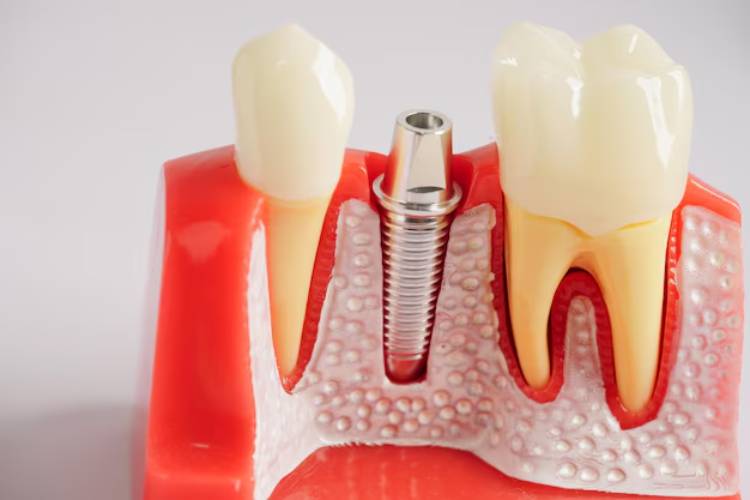
Standard dental implants are not included under the Canadian Dental Care Plan. Despite confusion online, dental implants are not covered by CDCP, which is the official position. This applies to single-implant, multiple-implant, and most implant-supported restorations. Even implant placement related to medical tooth loss is excluded.
This is where the misunderstanding around CDCP dental implant coverage becomes costly. The plan does not reimburse implant surgery, implant posts, implant crowns, implant-supported dentures, or all the related procedures.
Reference: Canada.ca
Dental Implant & CDCP Service Consultation
Dental implants can be costly, and the new CDCP has limitations. Don’t guess what your coverage includes! Call us to understand your implant options, discuss CDCP eligibility for related procedures, and explore financing.
Book dental implant visit in Vancouver today.
What Does the Canadian Dental Care Plan Cover for Seniors’ Dental Care?
The Canadian Dental Care Plan was designed to improve access to essential dental services, not to replace private dentistry. For seniors with limited income, it offers relief for routine and medically necessary care. However, coverage has boundaries, and those limits become obvious when discussing advanced procedures.
Understanding the basics covered helps explain why CDCP dental implant coverage is not treated the same as other services.
1. Preventive and Basic Services
Most seniors will benefit from preventive and basic treatments under the plan. These typically include routine exams, professional cleanings, basic X-rays, and standard fillings. Services aimed at preventing infection or worsening disease are prioritized.
Procedures like tooth extraction are also included when medically required. If a tooth cannot be saved, the plan generally supports removal to prevent pain or infection. In cases of illness, treatments such as a root canal may be partially covered when preauthorization criteria are met. These services form the foundation of the CDCP-covered services for 2026, focusing on disease control rather than long-term restoration.
2. Dentures and Partial Dentures
When teeth are lost, the CDCP places its emphasis on removable solutions. Basic dentures, including partial dentures, are usually covered under specific conditions. There are limits on frequency, materials, and replacements, but coverage exists.
This is where many seniors begin comparing CDCP dentures vs implants, often assuming implants are the next step up within the same system. They are not. Dentures are considered functional and cost-controlled. Implants are considered elective and complex.
3. Crowns and Basic Restorative Care
Crowns and specific restorative procedures may be approved, but typically only after review. Coverage limits apply, and not all materials are included. Cosmetic procedures, such as a veneer, are excluded altogether.

Read more: “Are Dental Implants Safe for My Long-Term Oral Health?”
What Seniors Can Do If They Need Implants or Alternatives
Needing implants does not disappear just because the plan excludes them. Seniors facing chewing problems, bone loss, or unstable dentures still need solutions. The reality is that those solutions often shift costs onto the individual. This is where CDCP dental implant coverage ends and personal planning begins.
1. Private Dental Insurance or Extended Plans
Some seniors explore Private dental insurance in Canada, but expectations should remain realistic. Most plans either exclude implants entirely or cover only a small percentage after waiting periods. Premiums are often high, and age limits apply.
Extended health plans through former employers may help, but they rarely cover the full cost of implants.
Suggested article: Dental Insurance vs CDCP: A Comprehensive Guide on Their Differences
2. Payment Plans and Financing
Many clinics now offer internal payment plans or third-party financing. This spreads costs over time but does not reduce them. Seniors should calculate the total interest carefully before agreeing.
For urgent cases, especially when pain or infection is involved, an emergency dentist may stabilize the situation temporarily without committing to implants right away.
3. Dentures or Bridges as Lower-Cost Substitutes
Fixed bridges or updated denture systems remain the most common alternatives. While not equivalent to implants, they are functional and significantly cheaper.
Some seniors adapt well to modern dentures, especially when they are correctly fitted and well-maintained. This is why CDCP dentures vs implants is less a comparison of quality and more a comparison of affordability.
Read more: “What Is the Process of Getting Dental Implants”
Understand the Limits Before You Decide
The Canadian Dental Care Plan improves access to basic oral health services, but it does not solve every dental problem. Seniors expecting implants to fall under public coverage will be disappointed. Understanding the limits of CDCP dental implant coverage early prevents wasted time, false hope, and financial stress. For most seniors, dentures or other restorative options remain the only covered path.
In Vancouver, patients have high-quality options like Vancouver Main Dentist, our professional dental clinic, which offers comprehensive implant dentistry and transparent pricing. Our team welcomes CDCP patients for any related eligible services, making it a valuable starting point for those seeking advanced care and financing solutions.
Read more: “Types of Dental Implants”
FAQ
1. Are dental implants covered by the Canadian Dental Care Plan for seniors?
No. Dental implants are not covered under the Canadian Dental Care Plan (CDCP). This includes both the implant surgery and the implant crown. While CDCP helps with basic dental services, implants are considered a major procedure and are currently excluded from coverage.
2. Can I get help paying for dental implants in Canada?
Not through government dental programs at this time. Most people pay for dental implants using personal savings, private dental insurance (if available), or financing plans offered by dental clinics. Some clinics allow monthly payments to make the cost more manageable.
5. What should I check before committing to dental implants?
Before getting dental implants, it’s important to check the total cost, including surgery and follow-up care. You should also make sure you are medically suitable for the procedure and understand the long-term maintenance involved. Finally, consider whether future care and possible repairs will fit your budget.
Do you still have questions about dental implants, CDCP coverage, or the costs involved? Share your thoughts below! Your questions and experiences can help others navigate their path to a brighter, healthier smile.


